Nature & Wildlife
In the Forest of Dean and Wye Valley.
From the 20 million trees in the Forest of Dean to the 58 mile long Wye Valley AONB nature is part of everyday life in the Forest of Dean and Wye Valley. Ancient woodland, rivers, limestone cliffs and flower-rich meadows provide a home for wild boar, deer, birds of prey, butterflies and many other species. Walk through one of our nature reserves, pause beside a woodland pond or simply look out from your holiday cottage, and there's every chance you'll spot wildlife along the way. This guide introduces some of the plants, animals and conservation work that make this a special place to visit.
What wildlife can you see?
Throughout the year you might spot:
- Wild boar
- Deer
- Peregrine falcons, buzzards and goshawks
- Bats
- Butterflies and dragonflies
- Ducks and woodland birds
- Free-roaming sheep
Nature Reserves & Wildlife Hotspots
The Forest of Dean and Wye Valley is home to a network of nature reserves, woodlands and wetlands where wildlife thrives throughout the year. Some are managed by organisations including the RSPB and Gloucestershire Wildlife Trust, while others are looked after by Forestry England or local conservation groups.
If you're hoping to spot wildlife, here are some of our favourites. Head to Nagshead Nature Reserve for woodland birds, Cannop Ponds for ducks and dragonflies, Woorgreens Lake for peaceful waterside walks, or Tidenham Chase where grazing cattle and ponies help create habitats for birds, insects and wildflowers.
Every season brings something different, so no two visits are ever quite the same.
Mammals of the Forest
Wild Boar
No animal captures people's imagination quite like the Forest of Dean's wild boar. Descended from animals that escaped into the forest several decades ago, they're now part of the area's wildlife. Although sightings are becoming more common, they're still wild animals and should always be admired from a distance.
Wild boar are most active around dawn and dusk and are often seen rooting through woodland in search of food.
Deer
Several species of deer live in the Forest of Dean, including fallow, roe, muntjac and the occasional red deer. Early mornings and quieter woodland paths give you the best chance of spotting them grazing or moving quietly between the trees.
Other Mammals
The woodland and hedgerows provide homes for foxes, hedgehogs, dormice, grey squirrels and several species of vole. Badgers are also widespread, although they usually emerge after dark from their underground setts.
Birds to Look Out For
The Forest of Dean and Wye Valley is one of the best places in the country to enjoy birdwatching. Ancient woodland, rivers, lakes and open hills support everything from woodland songbirds to birds of prey.
Listen out for the dawn chorus in spring, watch buzzards circling above the trees or keep an eye on the cliffs of the Wye Valley where peregrine falcons nest - Symonds Yat Rock viewpoint is a firm favourite for this.
Ducks
Mallards are one of the easiest birds to spot across the Forest of Dean and Wye Valley. During summer, you might notice the males looking surprisingly scruffy. That's because they lose many of their bright feathers during their annual moult, giving them a much duller appearance until they grow their new plumage.
Video by Shipley Films, interviewing Ed Drewitt.
Butterflies, Bees & Insects
Warm woodland rides, wildflower meadows and sunny clearings make the Forest of Dean and Wye Valley a fantastic place to see butterflies during spring and summer.
More than thirty species have been recorded here, including the purple hairstreak, white admiral, silver-washed fritillary, grizzled skipper and wood white. Open grassland supports species such as marbled white, common blue, small heath and small copper. If you want a guaranteed butterfly experience, Wye Valley Butterfly Zoo is a must visit, getting you close to a wide range of exotic butterflies
The large oaks of the Forest of Dean individually can support up to 300 different insects and their old hollow branches and trunks are nest sites to many generations of tawny owls and woodpeckers who thrive on the large insect population.
Free-Roaming Sheep
One of the first things many visitors notice is the sheep grazing beside roads and woodland tracks.
These free-roaming flocks have been part of the Forest of Dean for centuries. Local people with traditional grazing rights, known as sheep badgers, continue the custom today. Around villages such as Parkend it's common to see sheep resting beside the old dry-stone walls or wandering through the woodland.
The free roaming sheep are derived from many breeds and include Welsh mountain, speckled faced or cheviots with the occasional kerry or ryeland
They may look relaxed, but they're still livestock, so please drive carefully and keep dogs under control.
Conservation in Action
Conservation work is helping wildlife flourish across the Forest of Dean and Wye Valley.
Recent years have seen several projects introducing species that support habitats and improve biodiversity.
Beavers
In 2018, two beavers were introduced to Greathough Brook near Lydbrook as part of a project exploring how natural dams could help reduce flood risk and improve wetland habitats. Find out more here.
Grazing Animals
Exmoor ponies, Highland cattle and English Longhorn cattle now graze several nature reserves, including Woorgreens and Tidenham Chase. Their grazing helps create a rich mix of habitats for insects, birds and wildflowers. Find out more here.
Pine Martens
Pine martens returned to the Forest of Dean in 2019 through a Gloucestershire Wildlife Trust project. They're rarely seen, but cameras have confirmed they're settling well into the woodland. Find out more here.
Conservation Projects
Our local wildlife trusts have a series of introduced wildlife to improve conservation including grazing and flood defences:
- Two beavers were introduced to Greathough Brook in Lydbrook in 2018 in an innovative project to see if they would help with local flood defences. Find out more here.
- Exmoor ponies, English longhorn cattle and Highland cattle have been introduced at several reserves in the Forest of Dean including Woorgreens and . Find out more here.
- Pine martens were introduced in 2019 by the Gloucestershire Wildlife Trust in the centre of the Forest of Dean. It is very unlikely you will see any! Find out more here.
Bats After Dark
As evening falls, bats begin hunting across woodland edges, rivers and open spaces. Stay a little longer and you might also enjoy some of the country's darkest skies. On clear nights, the Forest of Dean is a fantastic place for stargazing, making an evening wildlife walk the perfect way to end the day.
The most commonly seen species include pipistrelles, noctules and long-eared bats, while the lesser and greater horseshoe bats also live in the area.
If you'd like to learn more, Clearwell Caves runs projects that help protect local bat populations and explain their importance within the Forest's ecosystem.
Find out more, find Your Freedom
Birds of the Forest of Dean and Wye Valley
The Forest of Dean and Wye Valley is home to a huge variety of birds. Some…
Read More
Boar in the Forest of Dean
Learn about wild boar in the Forest of Dean, how to spot their signs, stay…
Read More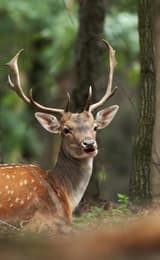
Deer in the Forest of Dean and Wye Valley
There are three species of deer to look out for in the Forest of Dean and…
Read More
Flora of the Forest of Dean and Wye Valley
Discover the flora of the Forest of Dean and Wye Valley, from wild…
Read More
The best places to see bluebells in the Forest of Dean and Wye Valley
Find the most spectacular bluebell carpets in the Forest of Dean and Wye…
Read More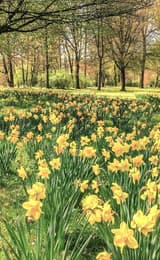
Daffodils
Explore the Forest of Dean and Wye Valley’s famous Golden Triangle of wild…
Read More
The Severn Bore
The Severn Bore is a large surge wave that can be seen in the estuary of…
View Details
Business Directory Home
Our business directory offers a detailed overview of the region's diverse…
Read More
Trails Homepage
Ready to discover the Forest of Dean and Wye Valley? From guided tours to…
Read MoreNature Through the Seasons
Spring
Bluebells carpet woodland floors, woodland birds sing throughout the day and butterflies begin to emerge.
Summer
Dragonflies skim across ponds, butterflies fill sunny clearings and woodland offers welcome shade on warmer days.
Autumn
Ancient woodland bursts into colour, fungi appear across the forest floor and deer become more active during the rut.
Winter
Leafless trees make wildlife easier to spot, while woodland walks reveal a quieter side to the Forest of Dean and Wye Valley.
Looking for more ways to enjoy the outdoors? Our family friendly businesses are full of ideas for getting children closer to nature throughout the year.
Enjoy Wildlife Responsibly
Help protect the places you're visiting by keeping dogs under control, taking litter home, sticking to marked paths and giving wild animals plenty of space. Watching quietly from a distance gives you the best chance of seeing wildlife behaving naturally.
A landscape shaped over centuries
The Forest of Dean has been managed for hundreds of years. Once a royal hunting forest, it later supplied timber for Tudor warships before becoming England's first National Forest Park in 1938. Today it's still a working forest, carefully managed by Forestry England alongside conservation organisations to balance timber production, recreation and wildlife.
A protected landscape
The Wye Valley National Landscape stretches from Hereford to Chepstow, following one of Britain's best-known rivers. Its limestone cliffs, ancient woodland and flower-rich grasslands provide habitats for birds of prey, bats, butterflies and many other species. The area's protected status helps conserve these habitats so wildlife can continue to thrive.
You May Also Like
Stay up to date
Be the first to hear about our exciting events, offers, inspiration and competitions by signing up.